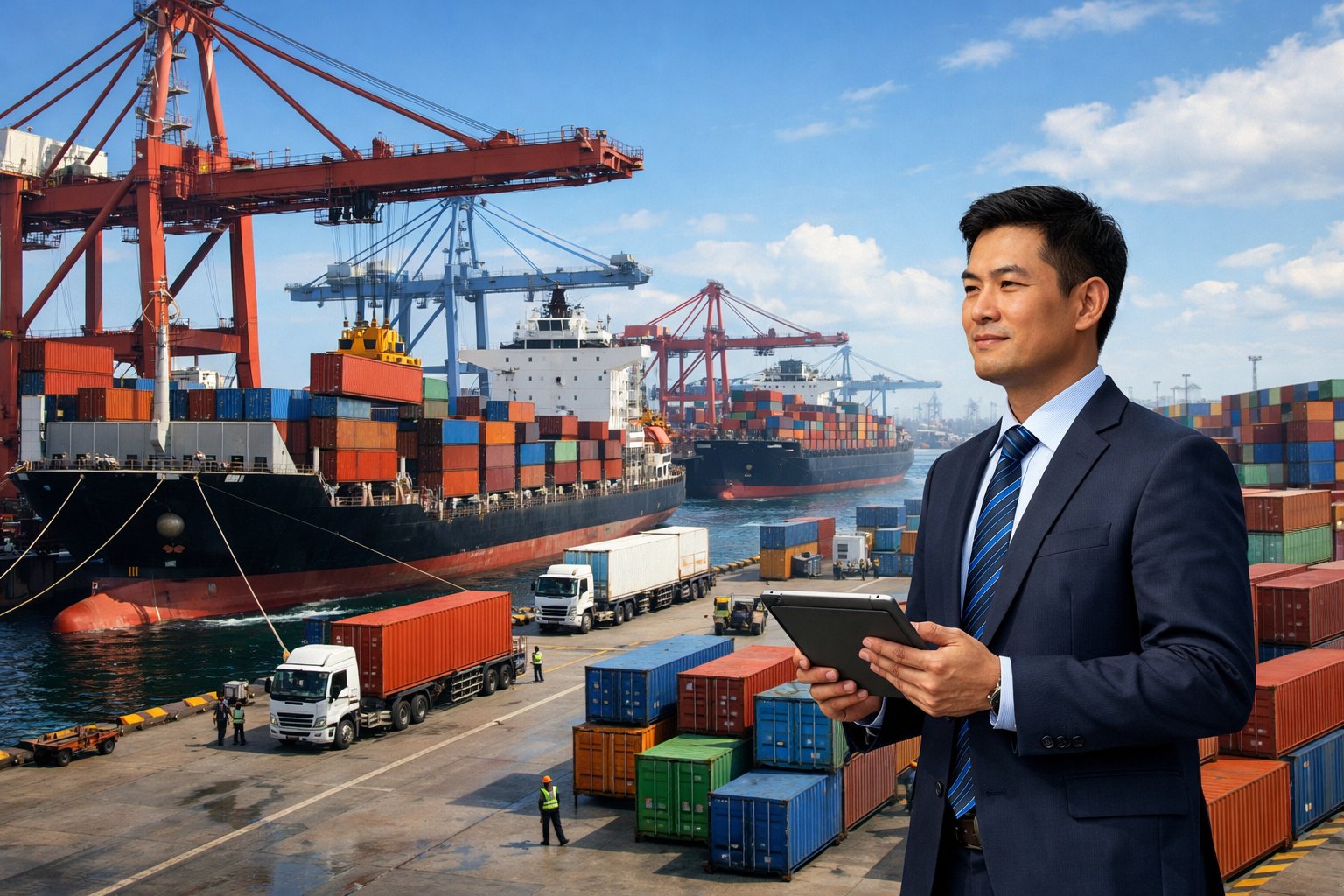
China Freight Forwarder: Comprehensive Guide to Shipping Solutions
Shipping products from China? It’s a maze of logistics, and honestly, most businesses can’t (or just don’t want to) handle it all themselves. A China freight forwarder steps in as your logistics partner, arranging and managing the transportation of your goods internationally—from export customs clearance to the final delivery at your door.
These companies act as intermediaries between you and carriers like shipping lines and airlines. So, if you’re looking to simplify your shipping headaches, a China freight forwarder is often the way to go.
Working with a freight forwarder based in China gives you a real edge over using a forwarder in your home country. They’re right there on the ground with direct access to Chinese suppliers and warehouses.
They can negotiate better shipping rates and understand all the local export rules. Many forwarders offer door-to-door service, customs clearance, warehousing, and cargo consolidation—all bundled up for you.
Choosing the right partner isn’t always simple. You need to know what services you want and how different China freight forwarders operate.
Whether you’re shipping small parcels, full containers, or need express or sea freight, there are freight forwarders in China who specialize in your requirements. This guide explores the services, costs, and how to pick the best China freight forwarder for your business.
Key Takeaways
- China freight forwarders handle international shipping logistics, including customs clearance, transportation booking, and delivery coordination.
- Services cover sea and air freight, DDP shipping, Amazon FBA logistics, and warehousing.
- Pick your China freight forwarder based on service scope, pricing transparency, communication, and experience with your specific shipping routes.
Core Services Provided by China Freight Forwarders
China freight forwarders can move your goods from Chinese factories to destinations worldwide using different transport methods. They coordinate sea freight, air freight, rail freight, and express shipping, all while handling customs clearance and paperwork.
China Freight Forwarder Sea Freight Options (FCL and LCL)
Sea freight is the most popular way to ship goods from China. It’s usually the cheapest per unit for big orders.
FCL (Full Container Load) means you rent a whole container for your shipment. This is best if you’ve got enough goods to fill at least 60-70% of a container.
Standard container sizes are 20-foot and 40-foot. FCL often gets through ports faster and has less handling of your goods.
LCL (Less than Container Load) lets you share space with other shippers. Your China freight forwarder combines your cargo with others to fill one container.
This saves money if you don’t have enough goods for a full container, but LCL takes longer since shipments are consolidated and separated at the port.
China freight forwarders manage international shipping by working with shipping lines to get container space and negotiate rates for you.
China Freight Forwarder Air Freight Solutions
Air freight gets your goods from China in days, not weeks. It’s pricier than sea shipping, but sometimes you just need that speed.
Air freight is a good fit for high-value items, urgent orders, or small lightweight packages. Think electronics, fashion, or medical supplies—anything time-sensitive.
Your China freight forwarder books cargo space with airlines and arranges pickup from your supplier’s warehouse. They handle paperwork and coordinate with customs at both airports.
Most forwarders work with several airlines to get you the best rates and schedules. Shipping costs depend on either actual weight or volumetric weight—whichever is higher. Volumetric weight is based on package size since plane space is limited.
China Freight Forwarder Rail Freight Services
Rail freight sits between slow sea shipping and expensive air freight. Trains move goods from Chinese cities to Europe in about 15-20 days.
The China-Europe Railway Express links cities like Yongwu, Chengdu, and Chongqing to Europe. Rail costs around half of air freight and is roughly three times faster than sea shipping.
It’s great for machinery, automotive parts, and electronics heading to Europe. Rail offers predictable transit times and fewer weather delays than ships. Your China freight forwarder handles customs clearance at borders along the way.
China Freight Forwarder Express and Door-to-Door Delivery
Express shipping and door-to-door services cover your logistics from the supplier’s factory to your doorstep. Freight forwarders coordinate the entire process for you.
Express shipping uses carriers like DHL, FedEx, and UPS to deliver small packages in 3-7 days. This includes tracking, insurance, and customs clearance—everything in one go.
Door-to-door shipping means your China freight forwarder picks up from the factory and delivers straight to your warehouse or business. They handle trucking, ocean or air transport, customs, and final mile delivery.
You only deal with one company instead of juggling several. Your forwarder takes responsibility for the whole journey, so you have one point of contact for all questions and issues.
Key International Shipping Processes with a China Freight Forwarder
Shipping goods from China usually comes down to three big steps. Each step needs certain documents and coordination between several parties.
Booking and Documentation with Your China Freight Forwarder
You start by booking your shipment with a China freight forwarder. They’ll help you choose air, sea, rail, or road based on your needs and budget.
The China export shipping process kicks off by setting trade terms and collecting paperwork. The commercial invoice is key—it lists buyer, seller, product details, values, and payment terms.
You’ll also need a packing list, a bill of lading for sea freight or air waybill for air shipments, and sometimes certificates of origin. Experienced forwarders double-check your documents to avoid costly port delays. Your forwarder should review everything before your cargo leaves China.
China Freight Forwarder Customs Clearance Procedures
Customs clearance happens at both ends—export in China and import at your destination. Chinese customs need accurate HS codes to classify your products and set duties.
Your China freight forwarder submits your invoice, packing list, and export declaration to Chinese customs. They check everything against your actual cargo before approving export.
At your destination, customs review the same documents plus any permits or licenses for restricted goods. Tariffs depend on the product type and trade agreements. You pay duties, taxes, and fees before customs release your shipment. Errors or missing paperwork can cause long holds.
Cargo Tracking and Final Delivery by China Freight Forwarder
Modern China freight forwarders offer real-time tracking services through online platforms. You get updates when cargo leaves China, clears customs, and heads for final delivery.
Your forwarder coordinates last-mile logistics—arranging trucks, scheduling delivery, and handling any destination paperwork. The final delivery is when your goods arrive at your specified address.
Always check your cargo for damage and make sure quantities match your documents before signing off.
China Freight Forwarder Costs and Payment Methods
Knowing what you’ll pay and how you’ll pay it makes budgeting for shipping from China so much easier. Freight forwarder costs from China depend on your cargo and services, and payment flexibility is a big plus for international deals.
China Freight Forwarder Shipping Costs and Factors
Your total shipping cost depends on several things that China freight forwarders use to build quotes. The shipping method is the biggest factor—air freight usually runs $4 to $8 per kilogram and takes 3 to 7 days. Sea freight costs $120 to $180 per cubic meter for LCL or $2,000 to $3,000 for a 20-foot container.
Forwarders calculate charges based on actual or volumetric weight, whichever is more. Volumetric weight is length × width × height (cm) divided by 6000. Costs also go up during busy seasons like Chinese New Year or Christmas. Fuel surcharges change with oil prices. Customs clearance is pricier if your cargo needs special paperwork or inspections.
China Freight Forwarder No Hidden Fees Transparency
Good China freight forwarders give you detailed quotes so you see every charge upfront. Your quote should break down freight, documentation, customs clearance, and any handling costs.
Some forwarders tack on extra fees later—watch out for surprise fuel surcharges, terminal handling fees, or destination charges. Ask them to explain every line in your quote. Transparent forwarders include things like cargo insurance, tracking, and support in their initial price. They’ll also let you know about any possible extra costs for your cargo or destination.
China Freight Forwarder Accepted Payment Options
Most China freight forwarders accept several payment methods. Bank transfer is the most common for larger shipments since it’s secure and gives both sides a record.
Many forwarders now take Alipay, especially for smaller shipments or repeat customers. It’s faster than traditional banking. Some also work with PayPal, Western Union, or letters of credit for first-time clients or high-value shipments.
Your payment terms usually depend on your relationship with the forwarder. New customers often pay in advance, while regulars might get payment upon delivery or net 30-day terms.
China Freight Forwarder Value-Added Logistics Solutions
China freight forwarders offer value-added services beyond just moving goods. They provide specialized warehousing, professional packaging and labeling, and cargo insurance to protect your shipments. It’s not just about getting from point A to point B—they help you cover all the bases.
Warehousing and Temporary Storage in China Freight Forwarding
Warehousing and temporary storage play a crucial role in China freight forwarding. You can cut costs and streamline your supply chain by using warehousing services in China before sending your products overseas.
Many freight forwarders run logistics centers near major ports like Xiamen and Shenzhen. These facilities let you store inventory close to your manufacturers and combine several orders into one shipment.
Temporary storage adds flexibility to your stock management. You can hold products until you’ve got enough to fill a container, which lowers your per-unit shipping costs.
Freight forwarders track your inventory and send goods out as needed. Their inventory management systems keep tabs on your products and update you in real time.
Most storage facilities offer climate-controlled areas for sensitive items. You can always check stock levels and product locations through digital systems.
Secure Packaging and Labeling in China Freight Forwarding
Reliable packaging is key for safe transit. Freight forwarders use packaging materials that work for ocean freight, air cargo, and ground transport.
If you’ve got fragile or odd-sized items, you can ask for custom packaging. There’s no one-size-fits-all, and a good forwarder knows that.
Labeling services make sure your shipments meet international shipping and customs rules. Forwarders put on labels with all the right info: product details, barcodes, handling notes, and compliance markings.
This helps you avoid delays at customs or in distribution centers. You can also consolidate several products into one package, cutting down on boxes and lowering your overall freight costs.
Cargo Insurance and Risk Management in China Freight Forwarding
Cargo insurance protects you if goods get lost, damaged, or stolen during shipping. You really should buy coverage that matches your shipment value—carrier liability is usually too low.
Most policies cover 110% of the invoice value to include shipping costs and potential lost profit. Insurance matters even more for high-value electronics, machinery, or perishables.
Your freight forwarder can connect you with insurance providers who specialize in international cargo. These policies cover risks during ocean, air, trucking, and storage.
Check what your policy excludes—improper packaging or undeclared value can void coverage. Always review limits and deductibles before you ship.
Specialized Freight Forwarding for Key Destinations from China
Every country has its own customs rules, transit times, and shipping regulations. Freight forwarders who specialize in certain routes know these differences and help you avoid headaches and extra costs.
Shipping from China to US: China Freight Forwarding Essentials
The China to US shipping route is one of the busiest. You can pick ocean freight, which takes 15-30 days to reach ports like LA or New York, or air freight, which is much faster at 3-7 days.
Ocean freight is usually the cheapest for big shipments. A 20-foot container runs between $2,000 and $5,000, depending on the season and fuel prices. Air freight is $4-8 per kilogram, so it’s best for urgent or valuable goods.
US customs wants a commercial invoice, packing list, and bill of lading. Your forwarder must file the Importer Security Filing (ISF) at least 24 hours before the ship leaves China. Miss that, and you could get hit with a $5,000 penalty.
Experienced forwarders handle tariffs and trade agreements between China and the US. They’ll help you classify your products to avoid customs holds and unexpected fees.
Shipping from China to EU: China Freight Forwarding Tips
The EU covers 27 countries, but goods clear customs just once for the whole region. Big entry ports include Rotterdam, Hamburg, and Antwerp.
Ocean shipping from China to EU ports takes 25-35 days, mostly because ships make several stops. Air freight lands in 5-10 days, which is much faster if you’re in a rush.
Key EU requirements:
- EORI number (Economic Operators Registration and Identification)
- Customs declaration
- Product safety certificates (CE marking for many items)
- VAT registration in the destination country
The EU enforces strict standards, especially for electronics, toys, and food. Your freight forwarder needs to understand international compliance so your shipment meets all the rules. They’ll also help you choose between DDP (Delivered Duty Paid) or DDU (Delivered Duty Unpaid) terms.
Shipping from China to UK: China Freight Forwarding After Brexit
Brexit changed everything for shipping between China and the UK. The UK now has its own customs rules, so there’s more paperwork and new border checks.
You need a UK EORI number, which is different from the EU’s. Ocean freight to UK ports like Felixstowe takes 28-35 days. Air freight to Heathrow or Manchester is quicker at 4-8 days.
Post-Brexit requirements:
- Customs declarations for all goods
- Import VAT payment (20% on most items)
- Rules of origin documentation
- Safety and standards compliance (UKCA marking now replaces CE marking)
A freight forwarder who knows UK rules can help you avoid border delays. They’ll also explain duty drawback programs and free trade agreements that might save your business money.
Shipping from China to Canada: China Freight Forwarding Considerations
China to Canada routes use ports in Vancouver, Montreal, and Toronto. Ocean freight to Vancouver takes 12-18 days, while shipping to the east coast takes 25-35 days because of the Panama Canal.
The Canada Border Services Agency (CBSA) wants advance notice for every shipment. Your forwarder must send cargo details electronically before arrival.
Canada uses the Harmonized System (HS) for classifying products. Most goods get GST, PST, or HST, depending on the province.
Temperature-controlled shipping matters on the Canada route, especially in winter. Forwarders can arrange heated containers or warehouses to keep your goods from freezing.
Trade deals like CUSMA (formerly NAFTA) can lower or remove duties if your products qualify. Your forwarder should check eligibility and prepare the right certificates of origin.
Freight Forwarding for Oversized Shipments from China
Oversized shipments need special handling, permits, and careful planning. Things like machinery, construction gear, boats, and big industrial parts often don’t fit in standard containers.
Break bulk shipping loads cargo right onto the vessel, skipping containers. That’s best for items too large or heavy for boxes. Roll-on/roll-off (RoRo) ships are for wheeled cargo like tractors or buses.
Your forwarder needs to consider:
- Weight limits for trucks and cranes
- Road and bridge restrictions
- Special permits for big loads
- Ports with heavy-lift gear
Flat rack containers have sides that fold down for wide or tall cargo. Open-top containers let cranes load from above. International shipping of oversized items costs more because of the extra work and special equipment.
Global shipping of large cargo takes planning at every step. Your forwarder should map out the route from the Chinese factory to your final stop, including inland transport on both ends.
They’ll handle escorts, surveys, and work with local authorities for safe delivery. Some places, like the UAE, have modern ports with heavy cargo equipment. Dubai and Abu Dhabi can handle big shipments, but you still need a forwarder who knows the local rules and can set up last-mile delivery in the Gulf.
How to Choose the Best China Freight Forwarder
Picking the right China freight forwarder is more than just comparing prices. The best ones have real experience, strong global networks, and a solid history of helping clients like you.
Reputation and Experience in China Freight Forwarding
Find a freight forwarder with at least five years handling shipments from China to your country. Seasoned companies know Chinese customs, supplier wrangling, and paperwork that some new providers miss.
Check for NVOCC (Non-Vessel Operating Common Carrier) certification. That means they can issue their own bills of lading and have more control over your sea freight. Licensed forwarders also carry proper insurance for your cargo.
See how they handle your preferred shipping method. If you ship by air, do they work with FedEx or UPS? For ocean, do they have deals with lines like MSC?
Read reviews on independent sites, not just their own testimonials. Watch out for complaints about hidden fees, bad communication, or damaged goods. A few negatives are normal, but repeated problems are a warning sign.
Network and Partnerships for China Freight Forwarding
Your forwarder should have warehouses or offices in top Chinese hubs like Guangzhou, Shenzhen, Yiwu, and Ningbo. Local presence means faster pickups and easier inspections before shipping.
Check their partnerships with big carriers for air, sea, and rail. Strong ties with companies like Sino Shipping or HT Shipping can get you better rates and priority bookings when space is tight.
Ask if they do customs brokerage in your country. A forwarder who handles clearance in both China and your market saves you from hiring extra brokers.
Make sure they reach your destination. Choosing a reliable China freight forwarder means checking they ship to your country with proven routes.
Case Studies and Client Feedback for China Freight Forwarding
Ask for case studies from businesses like yours. A forwarder who’s great with electronics might not know the ins and outs of perishables or hazardous goods.
Request direct references. Talk to a couple of current clients about how the forwarder solves problems and whether the final bill matched the quote.
See if they’ll give you a dedicated account manager. It’s a relief to have one person who knows your shipments and preferences.
Look at their complaint process. Choosing the best China freight forwarding partner means knowing how they handle damaged shipments, customs delays, or billing disputes before you run into trouble.
Frequently Asked Questions about China Freight Forwarding
Working with a Chinese freight forwarder brings up common questions about tracking, costs, and how to check a company’s legitimacy before you sign on.
How can I track my shipment with a Chinese freight forwarder?
Wondering how to track your shipment with a Chinese freight forwarder? The process is actually pretty straightforward and the right freight forwarder makes it even easier.
Most Chinese freight forwarders give you access to online tracking systems so you can monitor your shipment in real time. After they pick up your goods from the supplier, you’ll get a tracking number.
Just type this number into the forwarder’s website or app. You’ll see updates as your cargo leaves the warehouse, arrives at the port, clears customs, and eventually shows up at your destination.
Some forwarders send out automatic email or text notifications at important shipping milestones. If your forwarder doesn’t have digital tracking, you can always ask your account manager for updates through email or messaging apps like WhatsApp or WeChat.
What are the responsibilities of a freight forwarder in China?
A freight forwarder in China handles the shipping process from your supplier’s door to your final destination. They book transportation with carriers—by air, sea, rail, or truck—depending on what you need.
Freight forwarders manage your imports by taking care of customs paperwork. They make sure your shipment follows export rules in China and import rules in your own country.
They prepare bills of lading, commercial invoices, packing lists, and certificates of origin. Many forwarders also offer consolidation services if you buy from more than one supplier.
They’ll collect goods from different factories, store them in a warehouse, and combine them into one shipment. This can really help lower your shipping costs.
Where can I find reliable import freight forwarders near me for shipments from China?
Honestly, you don’t need a freight forwarder that’s physically close to you for shipments from China. What’s important is that the freight forwarder is based in China, where they can work directly with your suppliers and handle the export process.
It’s smart to look for forwarders with warehouses in big Chinese manufacturing cities like Guangzhou, Shenzhen, or Yiwu. These spots make it easier to collect goods from nearby factories.
Try searching online directories or asking for recommendations in import forums. You can also get referrals from your Chinese suppliers.
Lots of experienced importers share their stories on business networks and in trade groups, which can help you find a reliable freight forwarder in China.
How do I choose a reputable Chinese freight forwarder based on reviews?
Don’t just trust testimonials on the forwarder’s own website. Check reviews on Google, Trustpilot, and industry forums where importers talk about real experiences with Chinese freight forwarders.
See how the company responds to negative reviews. If they reply professionally, it’s a good sign they care about customer service.
Ask the forwarder for references from clients in your industry or shipping to your country. Reach out to those references and ask about delivery times, hidden fees, and how easy it is to communicate with the company.
Watch out for red flags like tons of five-star reviews all posted at once. Real reviews usually mention specific details about the service, not just vague praise.
What should I expect to pay for freight forwarding services from China?
Freight forwarding costs from China depend on your shipping method, cargo size, and where the goods are going. Sea freight is usually cheaper per kilogram but takes longer, while air freight is faster but costs more.
Your quote should cover freight charges, customs clearance fees, documentation, and any storage costs. Always ask for an itemized breakdown so you know exactly what you’re paying for.
You might see extra costs for pickup from your supplier, inspection, insurance, or delivery at your destination. Some forwarders offer all-inclusive door-to-door pricing, which covers everything from pickup in China to delivery at your warehouse.
Get quotes from several freight forwarders in China before you choose. Don’t just look at the total price—check what services are actually included.
What criteria should I use to evaluate the credibility of a freight forwarder in China?
Choosing a reliable freight forwarder in China isn’t easy, but it’s crucial if you want your shipments to arrive safely and on time. The right freight forwarder can make or break your logistics game, so let’s look at what really matters when judging their credibility.
First, check if the freight forwarder holds the necessary business licenses and certifications in China. A legitimate company should have a valid freight forwarding license from local authorities.
Dig into their track record. How long have they actually been operating? Experience matters—a company that’s survived for years has probably handled its share of shipping headaches.
Pay attention to how they communicate right from the start. Do they reply fast? Are their answers clear, or do they dodge your questions about costs and procedures?
Don’t forget to ask about insurance. Credible freight forwarders in China offer solid cargo insurance and can walk you through what happens if your goods get lost or damaged.