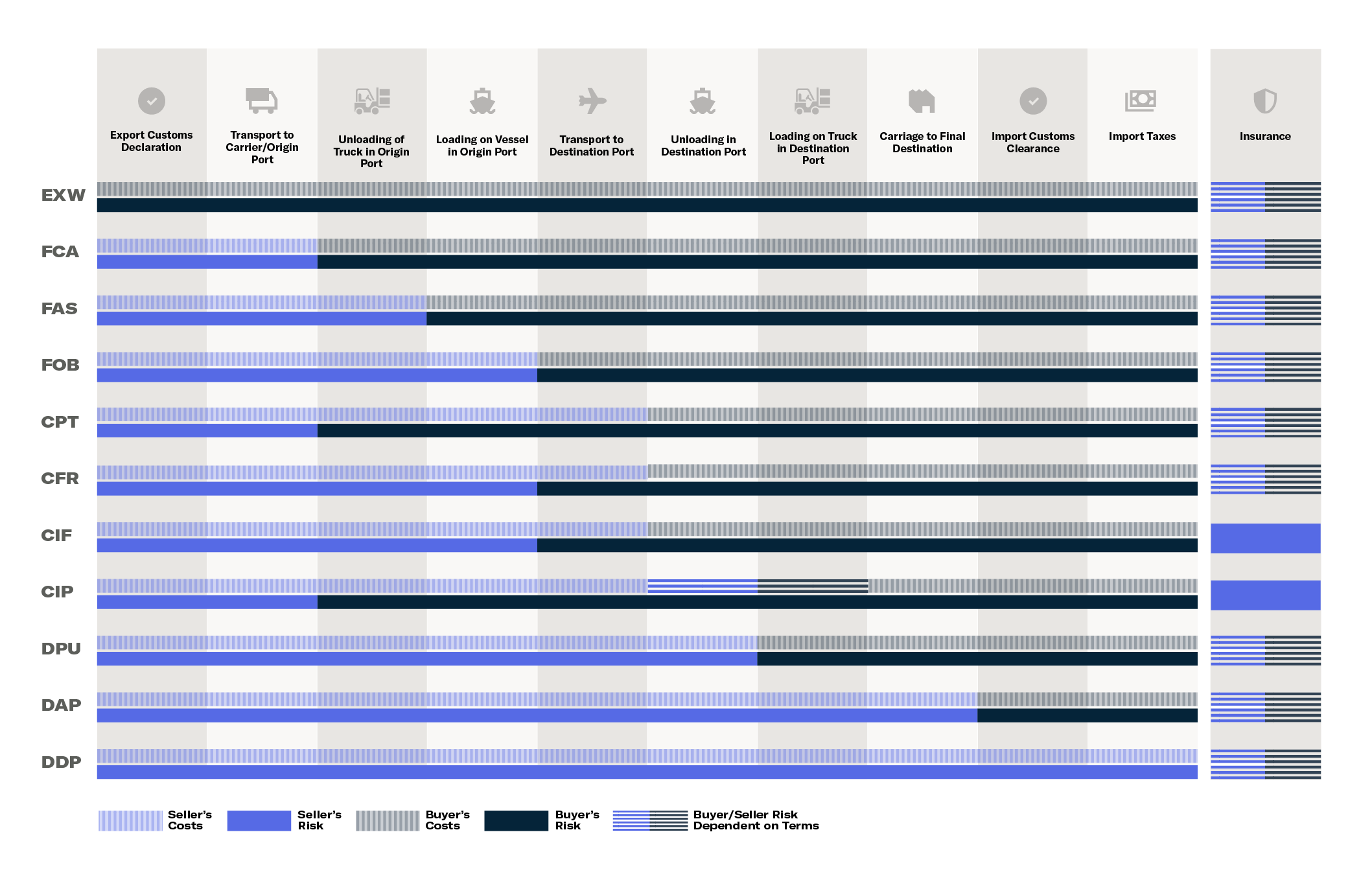
Top 10 Differences Between FOB vs CIF vs DDP Shipping Terms: A Complete Guide for International Trade
Shipping terms like FOB, CIF, and DDP shape every part of your international trade experience. When you’re importing or exporting, these shipping terms decide your costs, risks, and who’s responsible at each stage.
FOB, CIF, and DDP are three of the most widely used shipping terms in global commerce. They spell out who pays for what, and when the handoff of responsibility happens between seller and buyer. If you don’t know your shipping terms, you’re basically flying blind.
Understanding the differences between FOB, CIF, and DDP shipping terms can help you make smarter decisions about cost control, risk management, and logistics. These international commercial terms decide everything from who arranges transportation to who deals with customs. Your choice affects your budget, your schedule, and just how much control you have over the shipment.
The main differences come down to who pays for what, when risk transfers, and who manages insurance and customs. Learning how FOB differs from CIF and DDP will help you negotiate better deals with suppliers and freight forwarders.
Definition of FOB: Free on Board by seller up to ship loading
FOB stands for Free on Board and is one of the most common shipping terms in international trade. Under FOB shipping terms, the seller has to deliver the goods onto the vessel at the port of shipment.
Your job as the seller ends as soon as the goods are loaded onto the ship. That’s the exact moment when risk jumps over to the buyer.
The seller delivers goods on board the vessel nominated by the buyer at the named port. Once loading is done, the buyer takes on all costs and risks for the shipment.
Sellers need to handle all costs up to this point. This includes transport to the port, export customs, and the actual loading onto the ship.
FOB applies only to sea or inland waterway transport. It makes it clear when ownership and responsibility change hands.
Knowing FOB shipping terms means you know exactly where your duty stops and the buyer’s begins. That’s pretty helpful when you’re planning a shipment.
Definition of CIF: Cost, Insurance, and Freight paid by seller to destination port
CIF is a shipping agreement where the seller covers cost, insurance, and freight for cargo traveling by water. This shipping term is part of the 11 Incoterms rules from the International Chamber of Commerce.
With CIF shipping terms, the seller books ocean freight to your destination port and buys insurance for your goods during transit. The seller pays all costs until the goods are loaded onto the vessel.
CIF is used only for ocean freight. The seller must provide at least the minimum insurance coverage required under Institute Cargo Clauses C.
CIF stands out because of how it splits cost and risk. The seller pays for shipping and insurance to your destination port, but risk passes to you when the cargo loads onto the ship at the origin port.
You get the goods at the destination port, but you’re responsible for any damage or loss during the voyage. Even though the seller paid for insurance, you’re the one who deals with it if something goes wrong.
Definition of DDP: Delivered Duty Paid where seller handles all costs and risks
DDP stands for Delivered Duty Paid and it’s one of the most comprehensive shipping terms you’ll find. Here, the seller takes full responsibility for delivering goods to your specified address.
When you buy under DDP shipping terms, the seller does everything. They pay for transport, export and import duties, taxes, and all the fees needed to get the goods to your door.
The seller also takes on all the risks during transit until the products reach you. You, as the buyer, just have to unload the goods once they arrive—pretty straightforward.
The seller manages customs clearance on both sides, handles paperwork, pays duties, and makes sure everything’s legal. You don’t have to worry about import hassles or surprise customs charges.
DDP shipping terms mean maximum responsibility for the seller, and almost zero hassle for the buyer. That’s a pretty sweet deal if you just want your goods to show up, no drama.
FOB risk transfer occurs when goods pass ship’s rail at origin port
With FOB shipping terms, risk shifts to you at a very specific moment—when the goods cross the ship’s rail at the port of shipment.
The seller covers all costs and risks up to loading onto the vessel. Once your goods pass the ship’s rail, you’re on the hook for whatever happens next.
FOB is for sea and inland waterway transport only. You can’t use it for air or ground shipping.
The origin port is key because that’s where the transfer happens. Your seller sorts out export paperwork and gets the goods loaded. After that, it’s all you.
If the goods get damaged at sea, that’s your problem now. You need to arrange and pay for ocean freight and insurance from that point forward.
CIF risk transfers after goods arrive at destination port but seller pays insurance
Under CIF shipping terms, risk actually moves to you when goods are loaded onto the vessel at the origin port—not at the destination. That trips up a lot of people.
The seller pays for shipping and insurance to get your goods to the destination port. But the moment the cargo crosses the ship’s rail at departure, you take the risk.
This creates a weird situation. The seller arranges and pays for insurance, but you’re the one who has to deal with claims if something bad happens. The policy is in your interest, but the seller pays for it.
Risk transfers at loading for both FOB and CIF shipping terms. The big difference is that under CIF, the seller keeps paying for transport and insurance until the goods reach you.
You get goods at your port with all transport costs already covered. If you want less hassle with shipping logistics, CIF shipping terms can be a solid choice.
DDP places maximum responsibility on seller including customs clearance and duties
Delivered Duty Paid (DDP) puts almost everything on the seller’s plate. If you’re the seller, you handle it all—from start to finish.
With DDP shipping terms, you pay for every shipping cost to get goods to the buyer’s location. That means freight charges, insurance, and everything else in between.
You’re also the one who sorts out export formalities and import clearance at the destination. That includes all the paperwork and customs stuff.
The customs duties and VAT are your responsibility as the seller. These costs can add up fast, depending on what you’re shipping and where it’s going.
Your job is to package, label, and make sure the goods get right to the buyer’s door. The buyer just receives the goods, with no extra steps or surprise bills.
That’s why DDP shipping terms are so attractive to buyers who want convenience. They know exactly what they’ll pay, and there are no surprises at delivery.
FOB requires buyer to arrange and pay for insurance and freight after loading
With FOB shipping terms, the buyer’s responsibilities start once the seller loads the goods onto the vessel. The buyer arranges the main carriage and pays for insurance plus all other costs after that point.
You own the goods the second they’re put on board. So you need to set up ocean freight from the loading port to your own destination port.
Your insurance kicks in at the loading point. You’re in charge of protecting the cargo during the sea voyage and whatever comes after.
Under CIF shipping terms, the seller pays for shipping and insurance to the destination port. With FOB, you handle these expenses. FOB can be cheaper if you’ve got good shipping rates, but it’s more work.
You’ll need to coordinate with freight forwarders and insurance companies yourself. Make sure you set this up before loading, or you could end up with gaps in your coverage.
Shipping Terms: CIF Includes Freight and Insurance Costs in Seller’s Price to Buyer
Shipping Terms matter a lot when you’re importing or exporting goods. If you ship under CIF terms, the seller bundles several costs into one price.
This makes budgeting easier since you see the total cost upfront. No need to stress over separate bills for freight and insurance.
The seller covers three main expenses under CIF Shipping Terms. They pay for the goods, the freight charges to ship by sea, and insurance to protect your cargo during transit.
CIF applies only to ocean and waterway transport. You can’t use it for air, road, or rail shipments, so keep that in mind.
Your seller handles payments until the goods reach your destination port. They book the carrier and arrange the insurance policy, which takes some hassle off your plate.
But here’s something to watch for: the seller picks the carrier, so the freight cost might have hidden margins. Not every deal is as transparent as it seems.
The consolidated pricing structure helps you avoid surprise fees. You get one quote that covers everything needed to get your goods to the port.
For buyers who want predictable costs and less involvement in the shipping process, CIF Shipping Terms are pretty popular.
Shipping Terms: DDP Simplifies Buyer’s Process by Covering Transportation, Insurance, and Import Duties
With DDP Shipping Terms, the seller manages every step of shipping. They arrange and pay for transportation from their place to your door, including all freight and insurance.
DDP puts the responsibility on the seller to pay both export and import duties, taxes, and fees. You don’t have to mess with customs paperwork or unexpected duty charges.
The seller manages customs clearance in both countries. This shipping term removes most of the complexity from international purchasing.
You receive a single price covering everything. No surprise costs when the goods show up at your border.
Comparing FOB and DDP shipping terms shows DDP makes logistics easier by putting all responsibilities on sellers until delivery. Your role is simple—just wait for delivery at the agreed location.
You don’t have to handle shipping arrangements or customs procedures. That’s a relief for a lot of buyers.
Cost Implications: FOB Often Lower Upfront but Buyer Bears More Risk and Logistics
FOB Shipping Terms usually mean lower initial costs on your invoice. The seller pays only to get goods onto the ship at the origin port.
You pay for everything after that point. That includes ocean freight, insurance, and destination costs.
You also handle all logistics coordination yourself. FOB offers autonomy, but it can hide costs that crop up later in the shipping process.
CIF Shipping Terms come with a higher upfront price because the seller includes freight and basic insurance. You get a simpler process and fewer surprise costs, but less control over shipping choices.
DDP has the highest upfront cost since the seller pays for everything, including duties and taxes. You get goods ready to use with no extra shipping expenses.
But you lose some price transparency, and the initial payment is higher. It’s a trade-off, isn’t it?
Overview of Shipping Terms
FOB Shipping Terms require sellers to deliver goods to a ship. CIF adds insurance and freight costs to the seller’s responsibility, and DDP puts nearly all shipping duties on the seller until delivery.
Each term shifts different levels of cost, risk, and control between buyer and seller. Choosing the right one really depends on your priorities.
Defining FOB, CIF, and DDP
FOB stands for Free on Board. Under FOB shipping terms, the seller’s responsibility ends once goods are loaded onto the ship at the port of origin.
You take ownership and pay for ocean freight, insurance, and all other costs after that. CIF means Cost, Insurance, and Freight. Your seller pays for shipping and insurance to the destination port.
But risk transfers to you once the goods are loaded onto the ship, even though the seller covers the freight charges. DDP stands for Delivered Duty Paid, and honestly, it’s the easiest for buyers.
Your seller handles everything—shipping, insurance, customs clearance, import duties, and taxes. You only take ownership when the goods arrive at your place.
How Responsibilities Shift Across Incoterms
The main difference between these Shipping Terms is when risk transfers from seller to you. With FOB, you take on risk the moment goods board the vessel.
Under CIF, you also get the risk at the ship, but your seller still covers freight and insurance costs. DDP keeps risk with the seller until final delivery.
Cost responsibility varies quite a bit:
- FOB: You pay ocean freight, insurance, destination charges, customs, and duties.
- CIF: Your seller pays freight and insurance; you handle destination fees and customs.
- DDP: Your seller pays nearly everything, including duties and taxes.
Understanding these Incoterms helps you negotiate better deals and avoid unexpected costs during international shipping.
Impact on Cost, Risk, and Liability
The Shipping Terms you pick directly affect how much you pay, when risk moves to you, and what insurance you’ll need. These terms create different financial obligations and liability structures.
That can really change your total costs and level of protection. It’s not always obvious at first glance.
Cost Implications for Buyers and Sellers
Under FOB Shipping Terms, you pay for ocean freight, insurance, and all costs after the goods leave the origin port. The seller pays only until the cargo is loaded onto the ship.
Your total costs include international shipping, marine insurance, customs clearance, and inland transportation to your facility. CIF shifts more expenses to the seller.
When you buy under CIF shipping terms, the price covers cost, insurance, and freight to your destination port. You only pay for unloading fees, import duties, customs clearance, and transport from the port to your warehouse.
DDP represents the highest cost for sellers and lowest for buyers. The seller pays everything, including delivery to your door, import duties, taxes, and customs fees.
Your only expense is unloading at your location. Of course, this convenience comes with higher product prices since sellers build these costs into their quote.
Risk Transfer Points in Global Trade
Risk transfer happens at different stages, depending on your Shipping Terms. With FOB, risk moves to you once goods cross the ship’s rail at the origin port.
Any damage or loss during ocean transit becomes your responsibility. CIF transfers risk at the same point as FOB, even though the seller pays for freight and insurance.
You own the risk during sea transport, even though the seller arranges insurance. If something goes wrong, you file the insurance claim—not the seller.
DDP keeps risk with the seller until the goods reach your specified destination. The seller bears responsibility for damage, loss, or delays along the entire journey.
This protection gives you peace of mind, but costs more upfront. Is it worth it for your business? Only you can decide.
Insurance Considerations under Each Term
FOB Shipping Terms require you to buy marine insurance since you own the risk during ocean transport. You choose the coverage, provider, and policy terms.
This control lets you match protection to your needs and budget. Under CIF, the seller must provide minimum insurance coverage equal to 110% of the contract value.
This baseline protection might not cover all potential losses. You can always purchase extra insurance if you want more coverage than the seller provides.
With DDP, the seller handles all insurance throughout the shipping process. You get goods at your place without arranging any coverage yourself.
The seller’s insurance protects your shipment from origin to your final destination. That’s one less thing to worry about.
Frequently Asked Questions
People have a lot of questions about how FOB, CIF, and DDP Shipping Terms affect their responsibilities and costs. Understanding risk transfer points, insurance, and customs duties helps you make smarter shipping decisions.
What are the primary responsibilities of the buyer and seller under FOB shipping terms?
Under FOB terms, the seller delivers goods to the ship at the origin port and loads them onto the vessel. The seller pays all costs and takes all risks until the goods pass the ship’s rail during loading.
Once the goods are loaded onto the ship, your responsibilities as the buyer begin. You pay for ocean freight, insurance, unloading at the destination port, and all customs clearance costs.
You also take on all risks of loss or damage once goods are loaded onto the vessel. The seller gives you proof of delivery and necessary export documents.
You arrange and pay for the main transportation from the origin port to your destination. It’s a lot to keep track of, honestly.
How does CIF differ from FOB in terms of insurance and risk transfer?
CIF and FOB differ in who pays for insurance and when risk transfers. Under CIF, the seller buys marine insurance to cover your goods during ocean transport and pays for freight to the destination port.
However, risk still transfers to you when goods pass the ship’s rail at the origin port, just like FOB. You bear the risk during ocean transit, even though the seller paid for insurance.
If damage happens during shipping, you file the insurance claim. Under FOB, you buy your own insurance and pick your coverage level, which gives you more control over the process.
Can you explain the cost implications for a buyer when choosing CIF over DDP?
Shipping Terms like CIF and DDP can really impact your bottom line. When you pick CIF, the seller covers ocean freight and basic insurance to your destination port.
But after that, you’re on the hook for unloading, customs clearance, import duties, taxes, and getting the goods to your door. Depending on your country’s rules, these Shipping Terms might end up costing you quite a bit.
DDP places maximum responsibility on the seller. The seller pays for all transportation, insurance, import duties, taxes, and even delivery to your building.
Usually, your only cost with DDP is unloading at your place. Of course, DDP quotes are higher because the seller bundles all those costs into the price.
But you dodge surprise fees and tricky customs paperwork. CIF might look cheaper at first, but you have to handle import clearance and pay for final delivery yourself.
What are the key differences in documentation and customs clearance between CIF and FOB?
With both CIF and FOB Shipping Terms, the seller handles export customs clearance and provides export documents. You’ll get the commercial invoice, packing list, and bill of lading for import clearance.
Here’s the kicker: you manage import customs clearance under both terms. You need to hire a customs broker, submit documents, and pay import duties and taxes.
Documentation requirements for buyers include filing import declarations and following your country’s rules. You really need to understand local customs or have someone who does.
The seller doesn’t deal with import formalities for either CIF or FOB. So, you’re left handling the paperwork and payments once your shipment arrives.
In which circumstances is it more advantageous for a seller to use DDP terms instead of CIF?
Sellers sometimes prefer DDP Shipping Terms when they want full control over the shipping process. If a seller knows your country’s import rules and has solid logistics partners, DDP can work out well.
DDP lets sellers offer a simple, all-in price. That’s pretty attractive if you’re not familiar with international shipping or customs. Sellers with bigger shipping volumes can often negotiate better freight rates and maybe pass some savings to you.
Sellers choose DDP over CIF when they want to stand out and make buying easier for you. Still, sellers need reliable customs brokers and a good handle on import duties in your country.
DDP carries more risk for sellers if customs problems pop up. But sometimes, that’s worth it to win new business or keep things simple for everyone.
How do Shipping Terms (Incoterms) affect the allocation of shipping costs between buyers and sellers?
Shipping Terms, like Incoterms, set the rules for who pays each shipping cost. They draw a clear line between buyer and seller responsibilities, and honestly, that can make a world of difference when you’re budgeting.
For example, FOB requires you to pay for ocean freight, insurance, and all destination costs. The seller just handles goods preparation, export clearance, and getting the cargo onto the ship.
CIF is different. Here, the seller covers ocean freight and insurance costs, but you’re still on the hook for unloading, customs duties, taxes, and inland delivery.
This usually means you pay less upfront for shipping fees, although you’ll need to handle the import procedures yourself. It’s a bit of a trade-off, isn’t it?
Then there’s DDP, which piles all costs onto the seller until the goods reach your door. You don’t pay for transportation, insurance, or customs clearance at all.
The seller’s price includes every cost from their facility to yours. That can make your budgeting a lot simpler, though it might bump up the price tag.